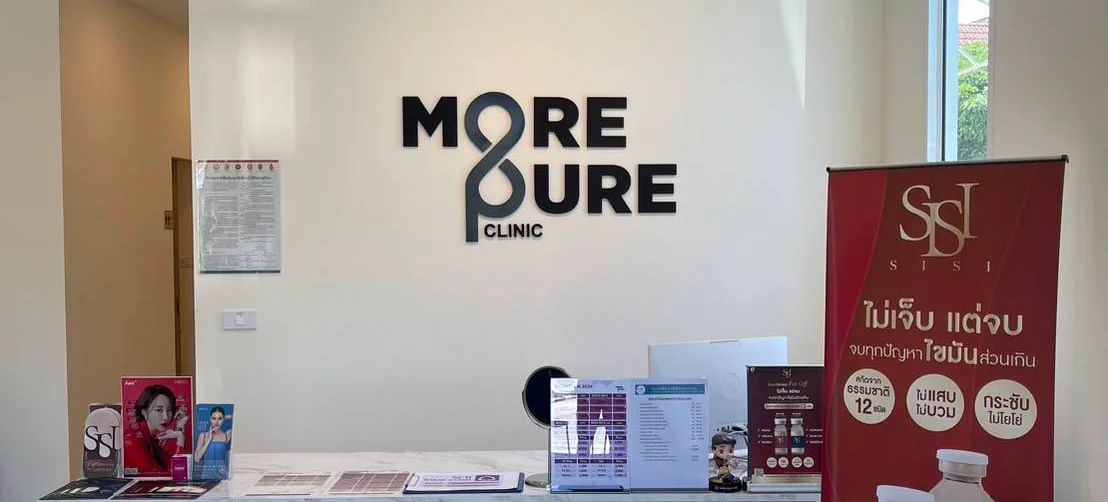
Hair Loss & Hair Thinning
MP Clinic
Hair Loss & Hair Thinning
Hair Loss & Hair Thinning Care Program at MP Clinic
Check Your Scalp
Personalized plan by MP doctors
Hair Loss & Hair Thinning
Hair Loss and Hair Thinning are common problems in both women and men. They may start with increased shedding, finer hair strands, or reduced hair density until the scalp becomes more visible.
Hair loss can be caused by many factors, including genetics, hormones, stress, lack of rest, nutrition, bodily changes, as well as certain diseases or medications.
Therefore, caring for hair loss is not just about choosing a treatment. It should start with assessing the problem and planning care that suits each individual.
Hair Loss Treatment Process at MP Clinic
Process
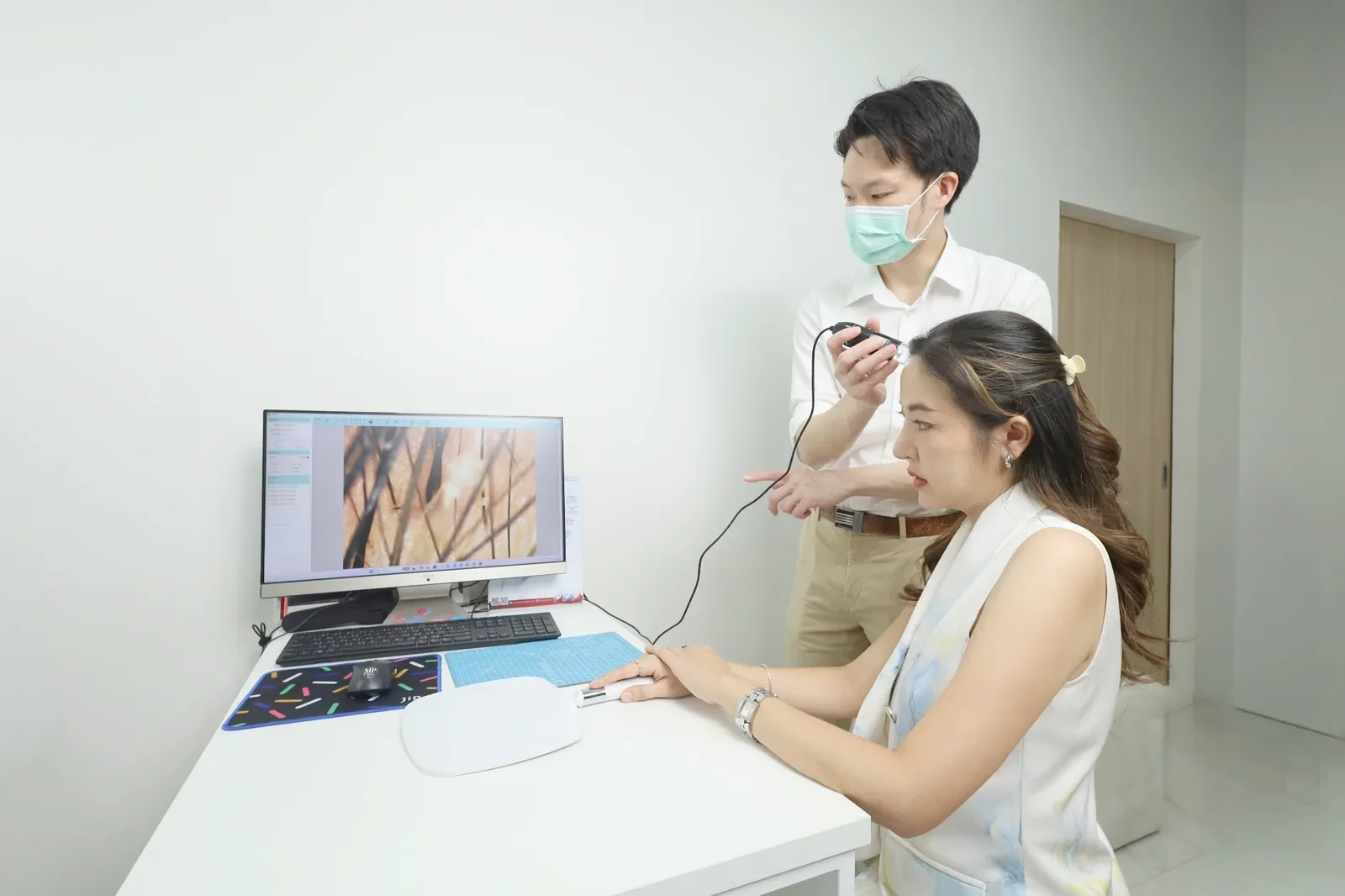
Hair loss and thinning care at MP Clinic focuses on individual assessment and choosing the right approach for each person’s hair and scalp condition.
The process includes
01
Problem Assessment
The doctor discusses your medical history, the pattern of hair loss, how long it has been happening and related factors.
02
Hair & Scalp Assessment
An initial examination of the hair and scalp using a hair root camera (Trichoscope).
03
Treatment Planning
Plan your treatment together with the doctor to choose a program that suits your condition and budget.
04
Follow-Up
Assess changes and monitor results continuously.
Hair Loss & Thinning Treatment Categories
1.Prevention
Prevention
Addresses the root causes of hair loss and thinning. The most common causes are AGA (Androgenetic Alopecia) and VDD (Vitamin D Deficiency)
Services in this category
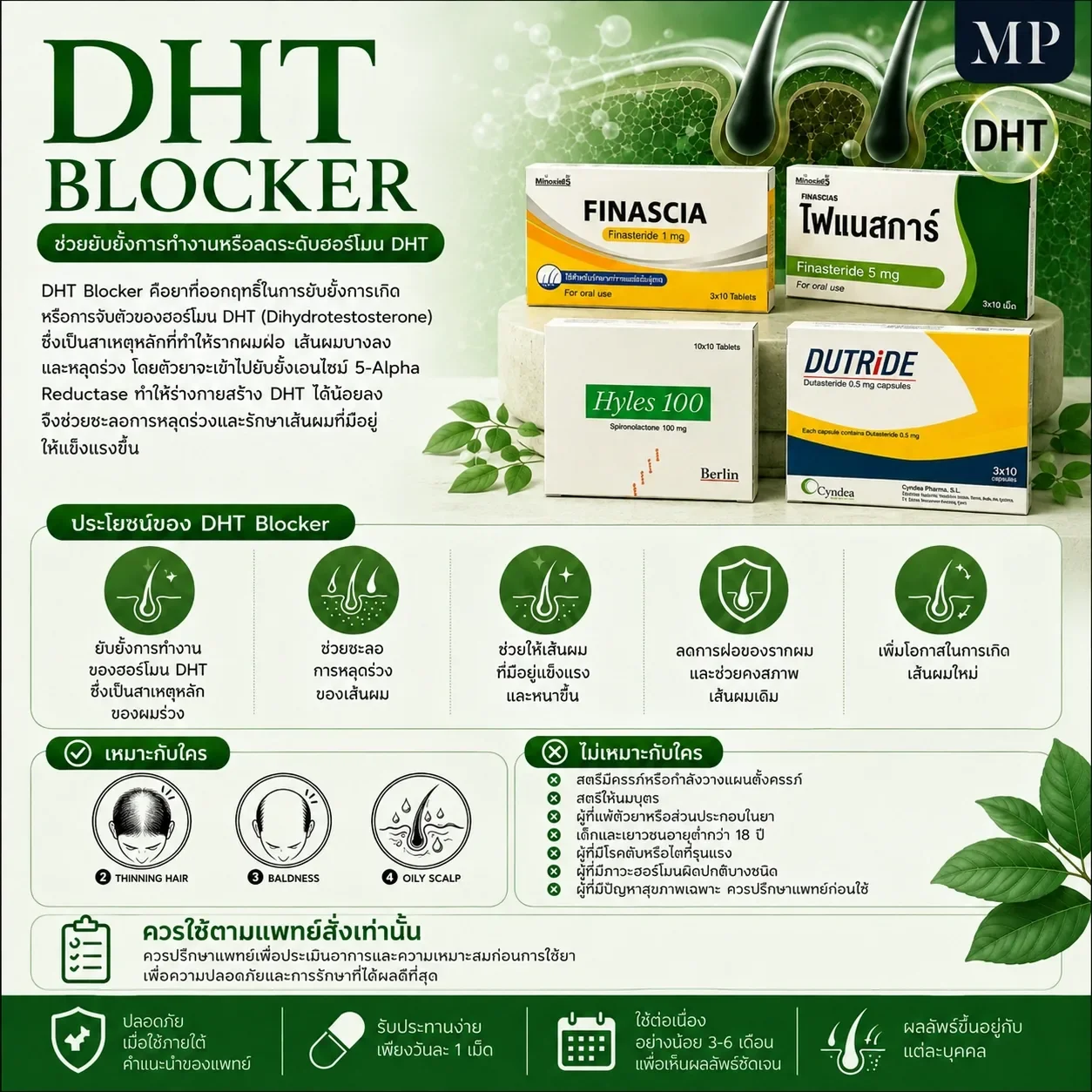
DHT Blocker Medication
Medication that inhibits the 5-alpha reductase enzyme, which converts testosterone into DHT (Dihydrotestosterone), the main factor that causes hair follicles to shrink and hair strands to become finer.
Examples: Finasteride or Dutasteride (available in both oral and topical forms)
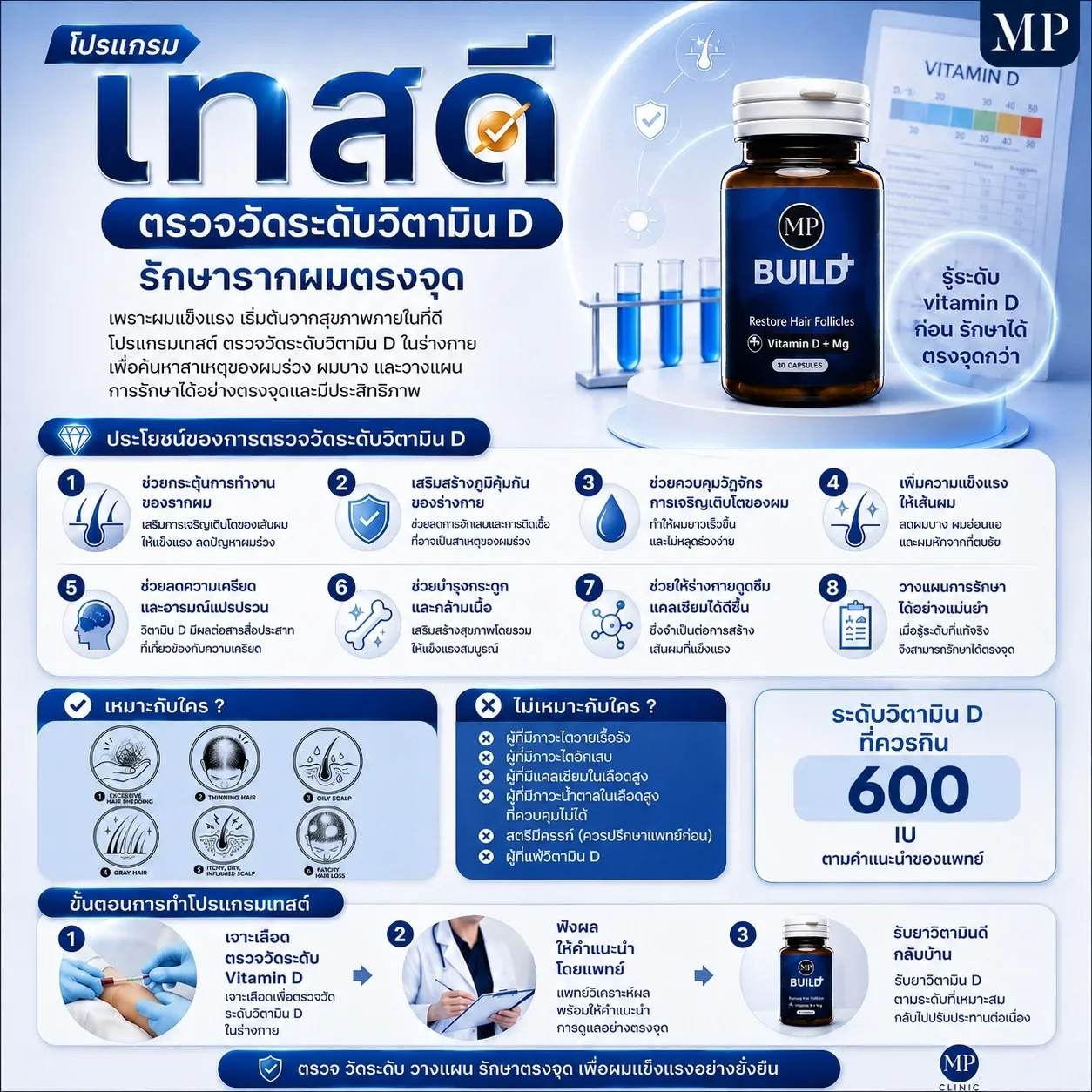
TestD
Vitamin D Level Optimization Program
A blood test to measure Vitamin D levels and assess Vitamin D deficiency. Vitamin D plays an important role in the hair growth cycle (Hair Follicle Cycling), and a deficiency can make hair fall out more easily.
Treatment: Vitamin D3 supplementation in the appropriate dose prescribed by the doctor to restore balanced vitamin levels.
2.Stimulation
Stimulation
Stimulates the hair roots to regain strength faster, reduces shedding and helps hair grow back thicker.
Related services in this category
1. Hair Growth Medication
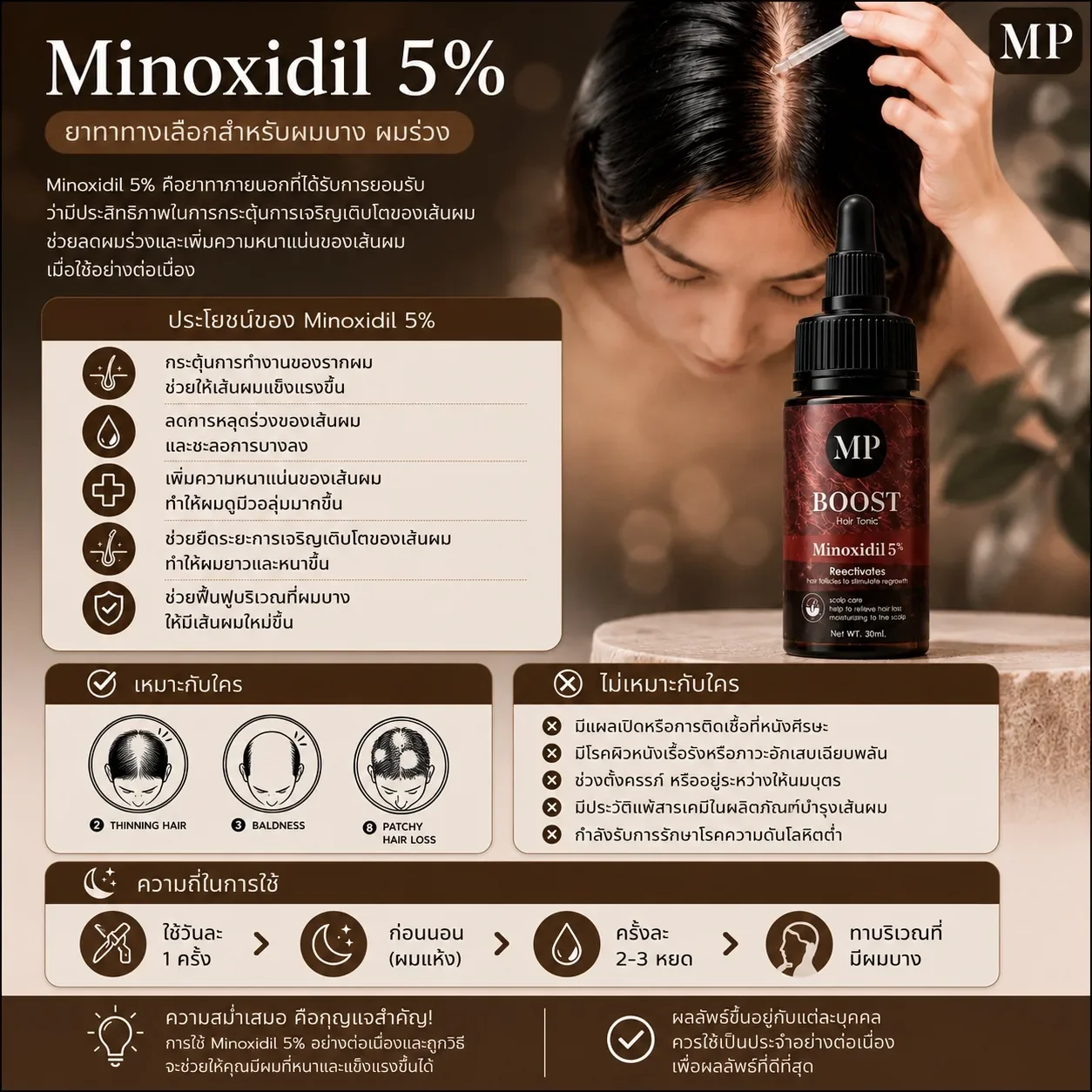
Minoxidil
A medication that dilates the blood vessels in the scalp, delivering more blood and nutrients to the hair roots and extending the hair growth phase (Anagen Phase).
Forms: Available as a topical solution applied to the scalp and as an oral medication under a doctor’s supervision.
2. Light Therapy
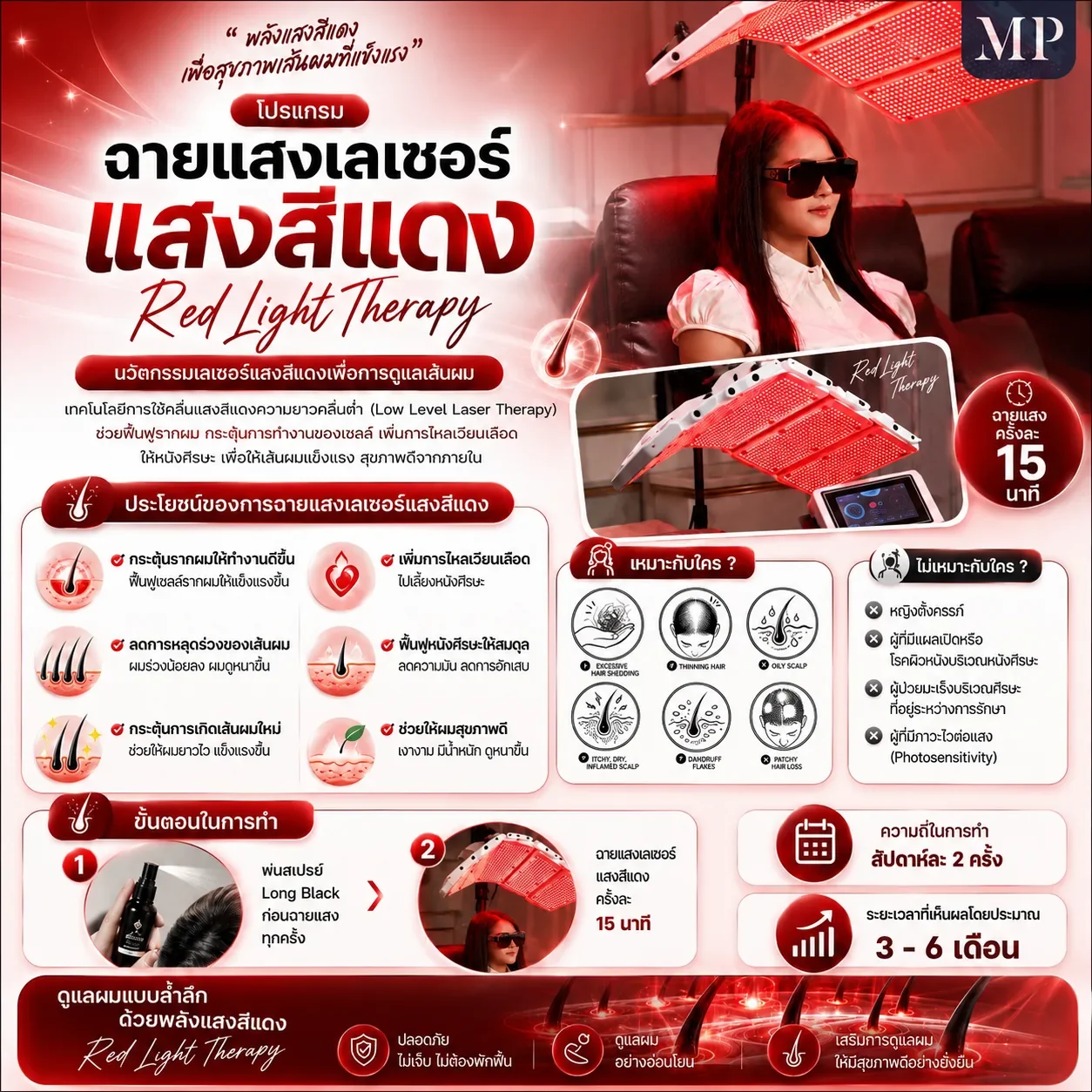
Red Light Therapy
Uses low-level laser light (wavelength of approximately 650–660 nanometers) to stimulate mitochondrial activity in hair root cells, helping to improve blood circulation, reduce inflammation and accelerate new hair growth.
3.In-Clinic Treatment (Injection Therapy)
In-Clinic Treatment
3.1 Program Therapy – PRP / XPRP
PRP
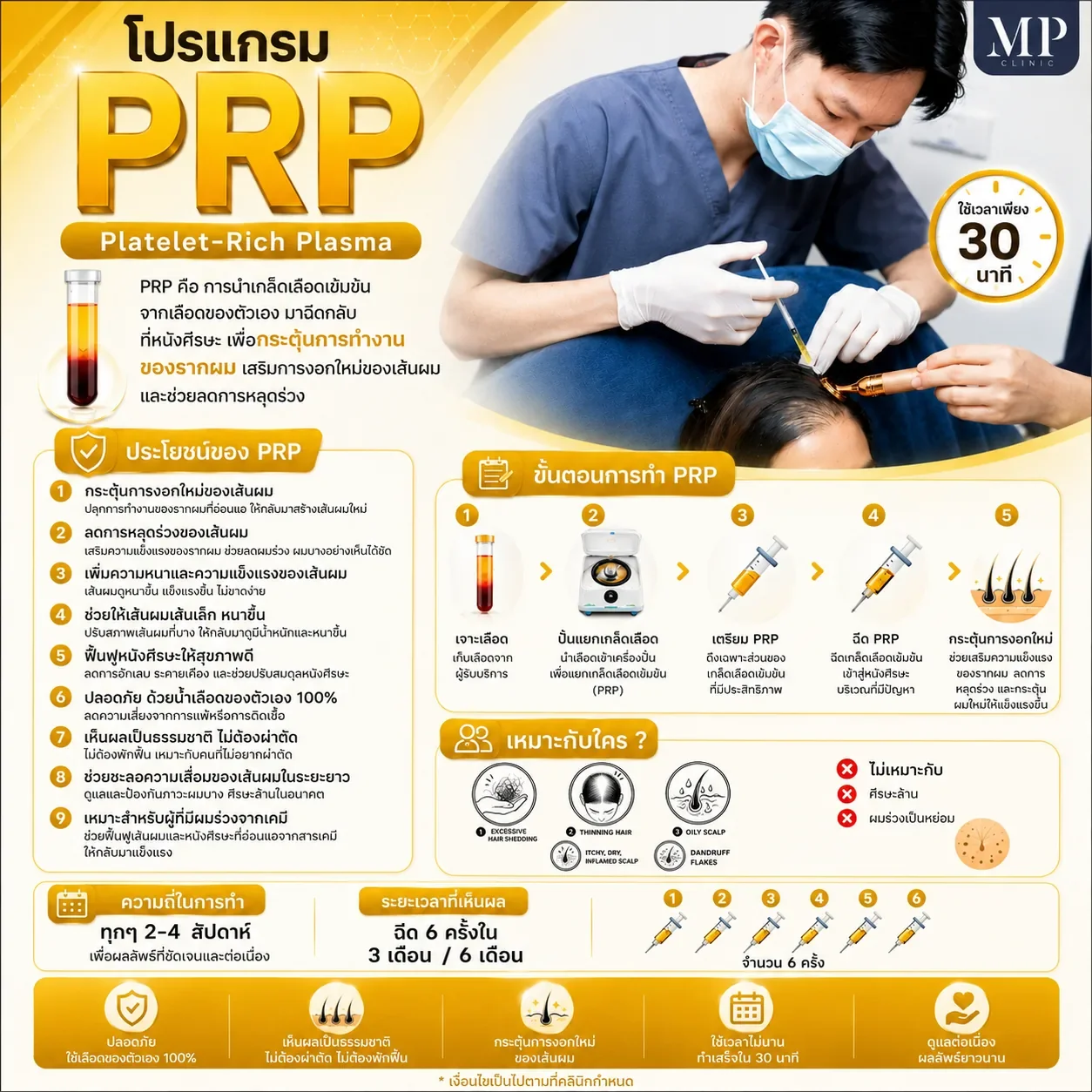
Platelet-Rich Plasma
The patient’s blood is drawn and centrifuged to extract concentrated platelets rich in Growth Factors, which are then injected back into the scalp to restore the hair roots.
XPRP
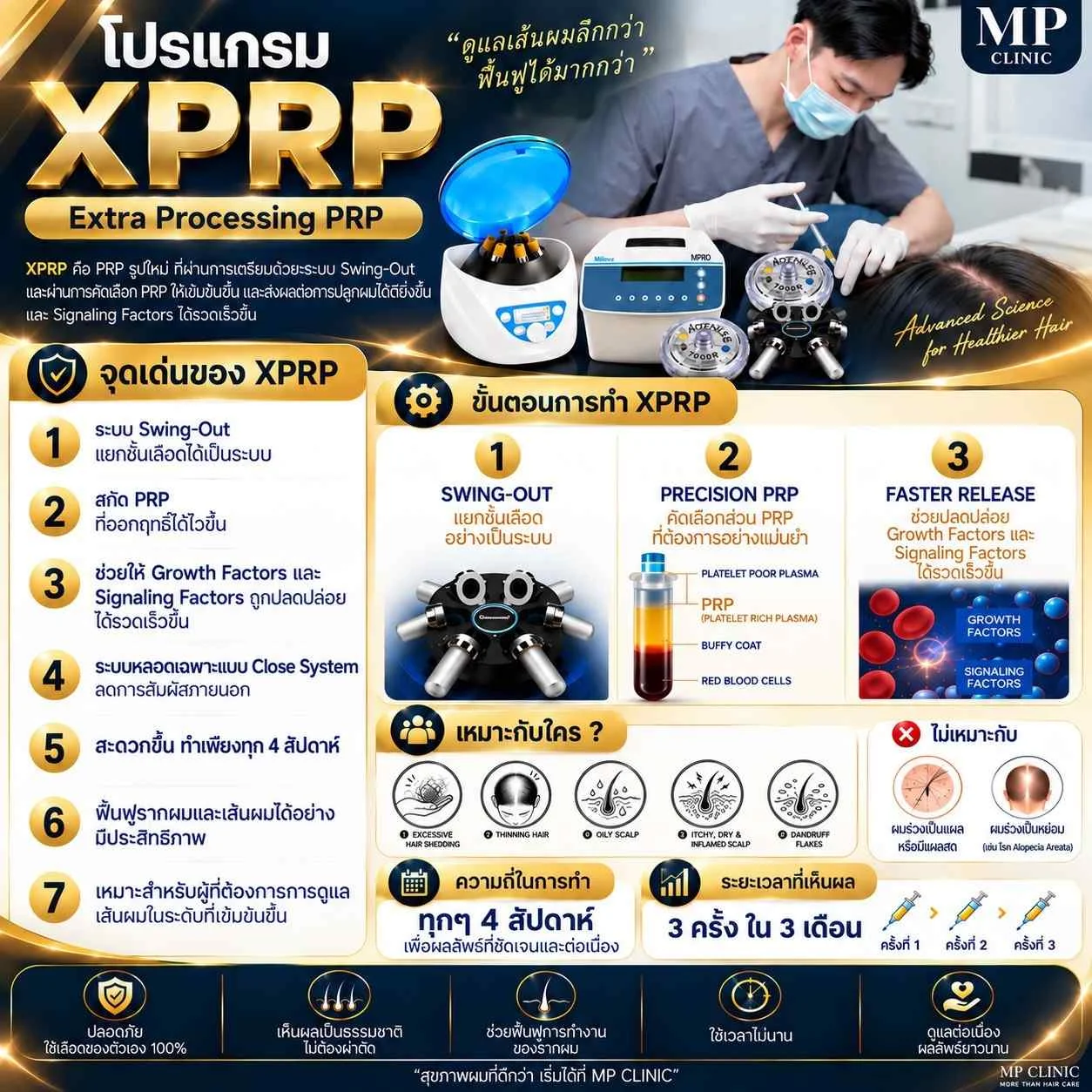
Extra PRP / Advanced PRP
An advanced platelet extraction innovation that delivers a concentration of Growth Factors several times higher than standard PRP, helping to repair hair root cells faster and more effectively.
3.2 Single Therapy – AMT / ADSI
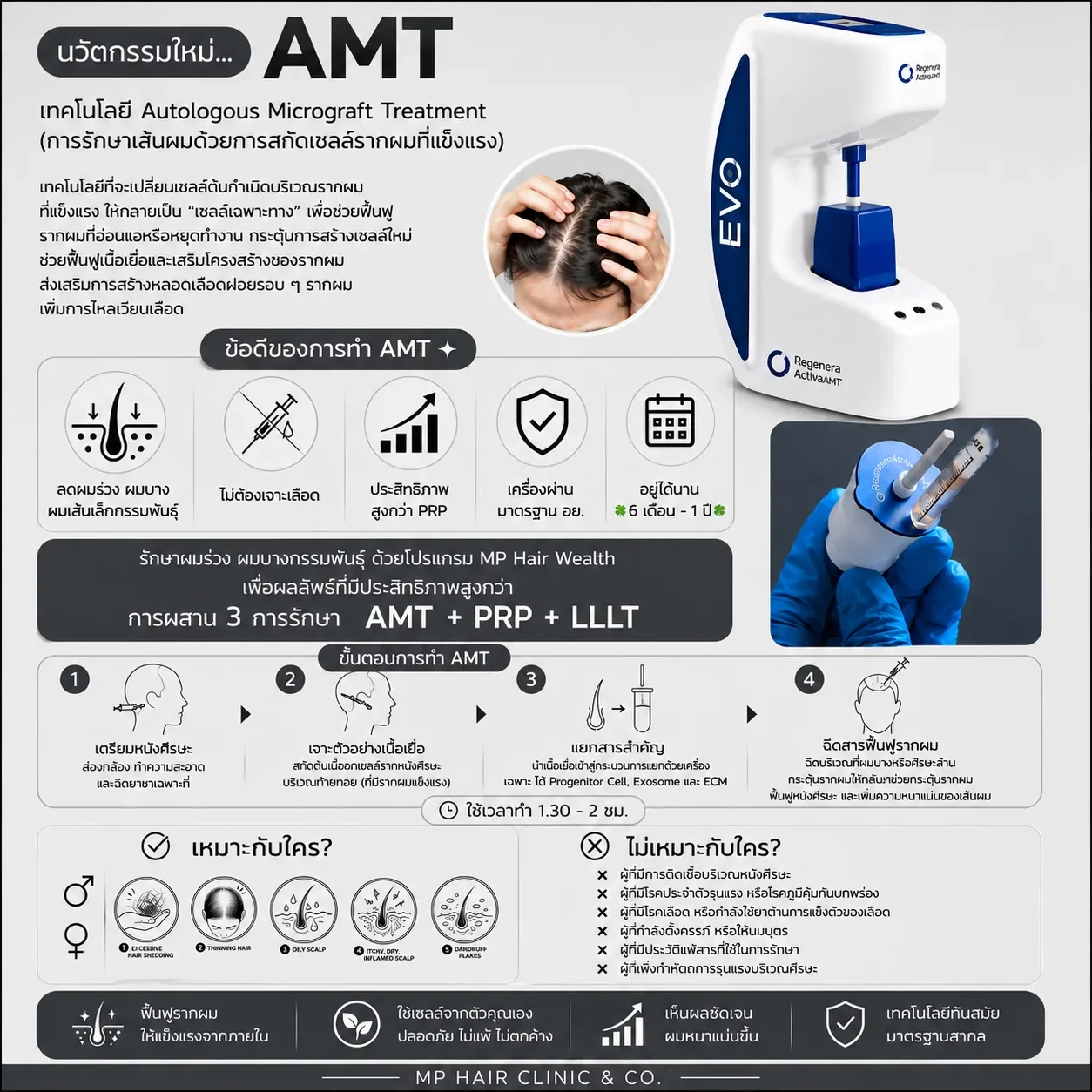
AMT
Autologous Micrograft Hair Tissue
A technique that uses stem cells from the patient’s own hair follicles at the back of the head, extracted with special equipment and injected into thinning areas to stimulate new hair cell production and repair damaged hair roots.
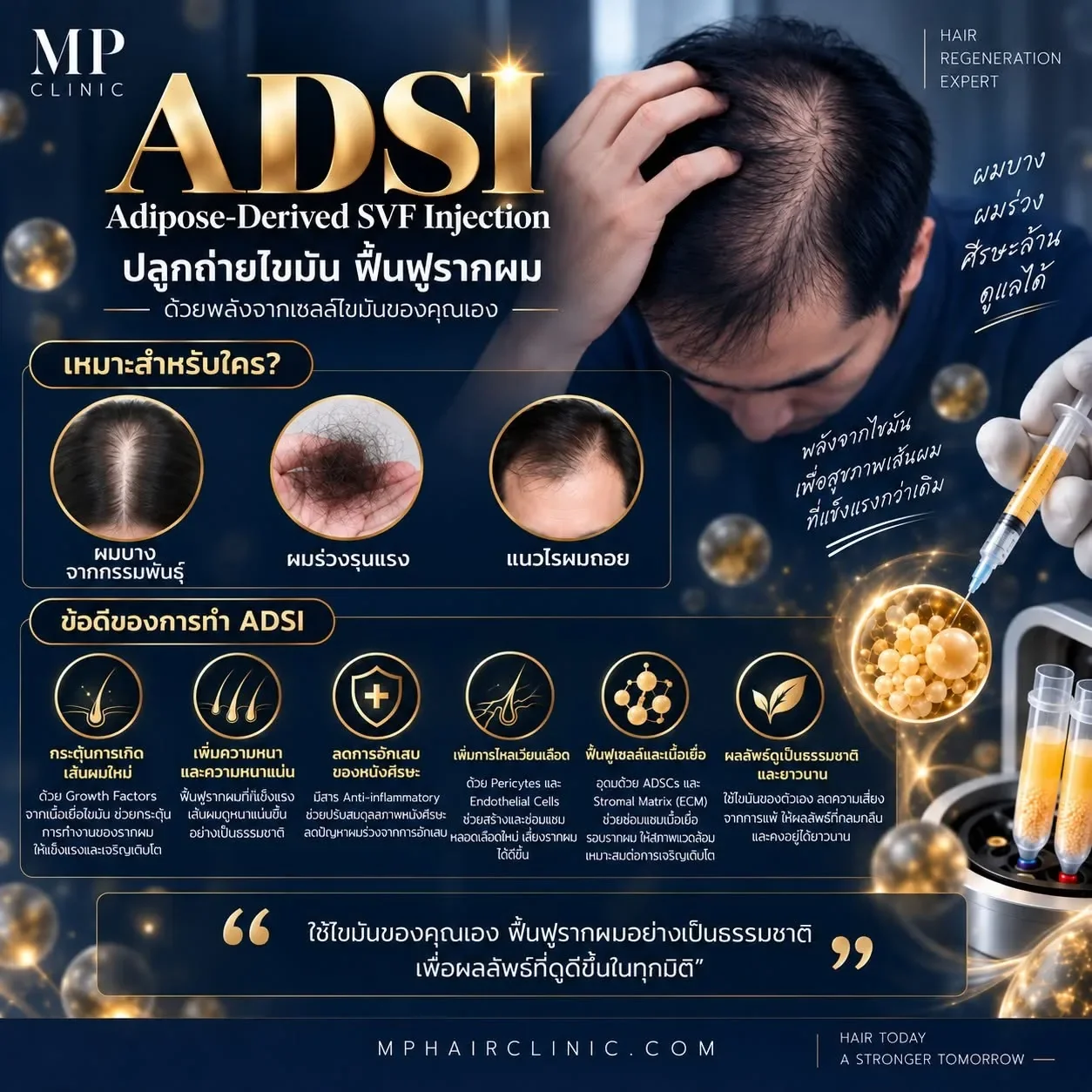
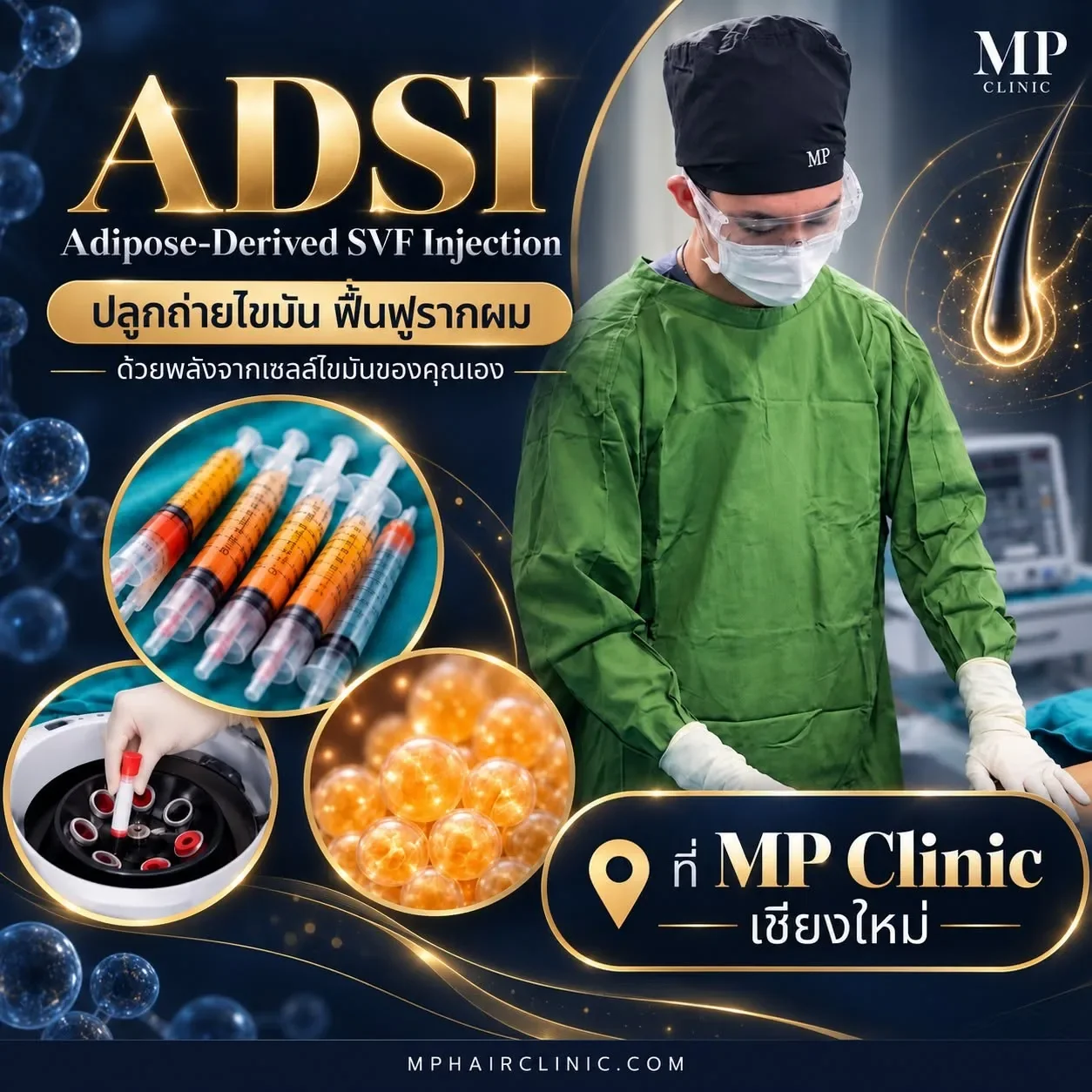
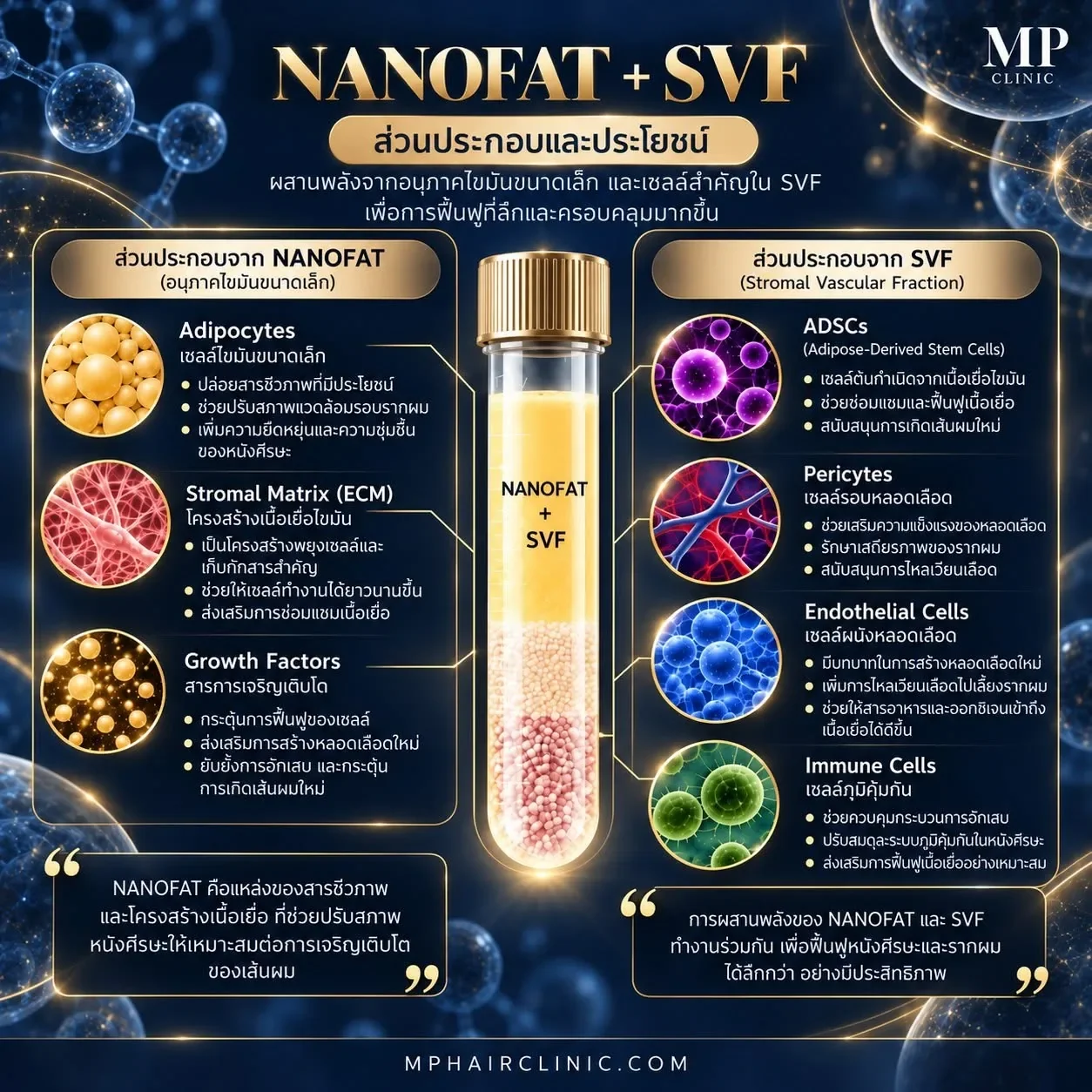
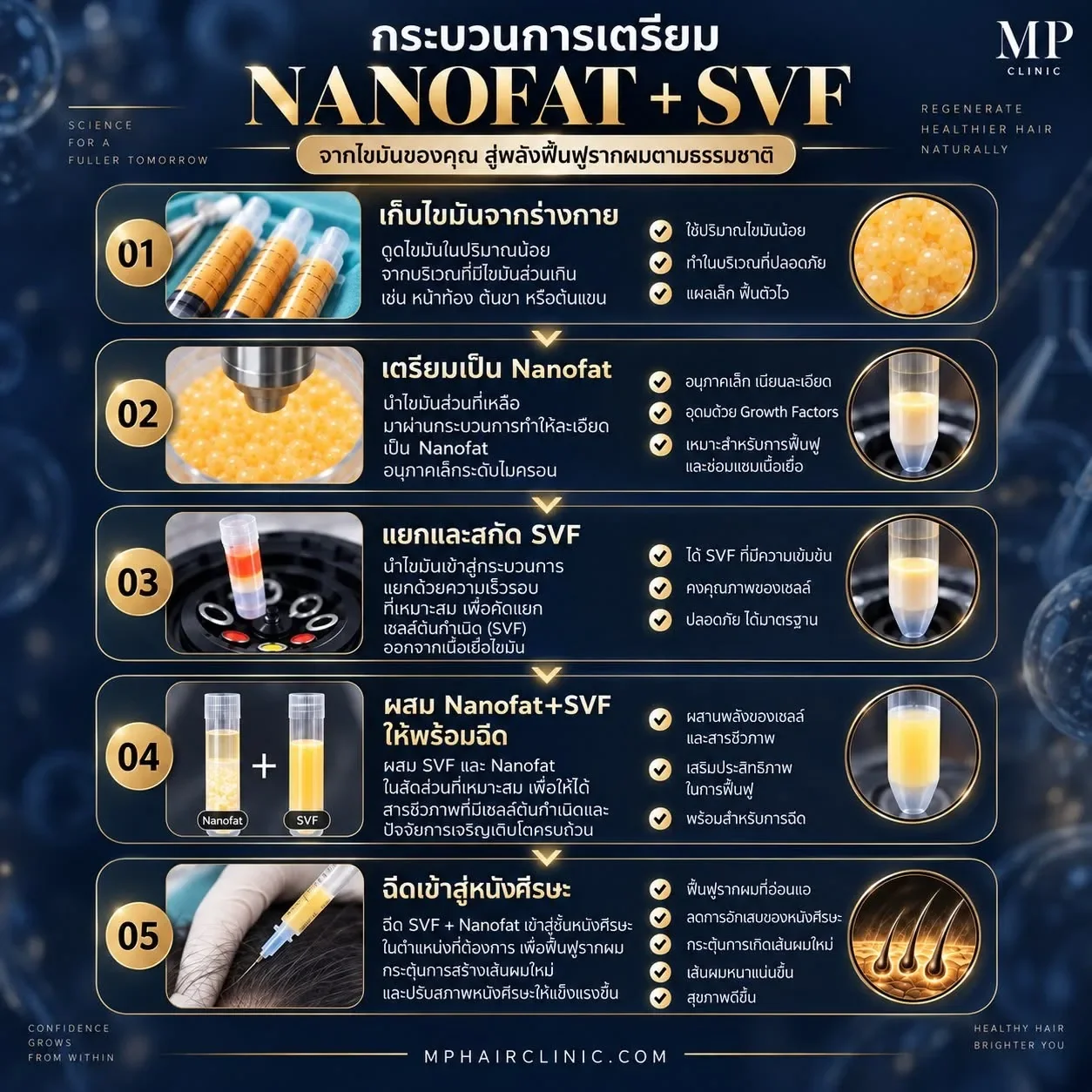
ADSI
Adipose-Derived SVF Injection
Cells are extracted from fat tissue to restore and treat the hair roots, helping to reduce inflammation, increase blood vessel density and stimulate hair root growth.
Hair Bank
Male Customer
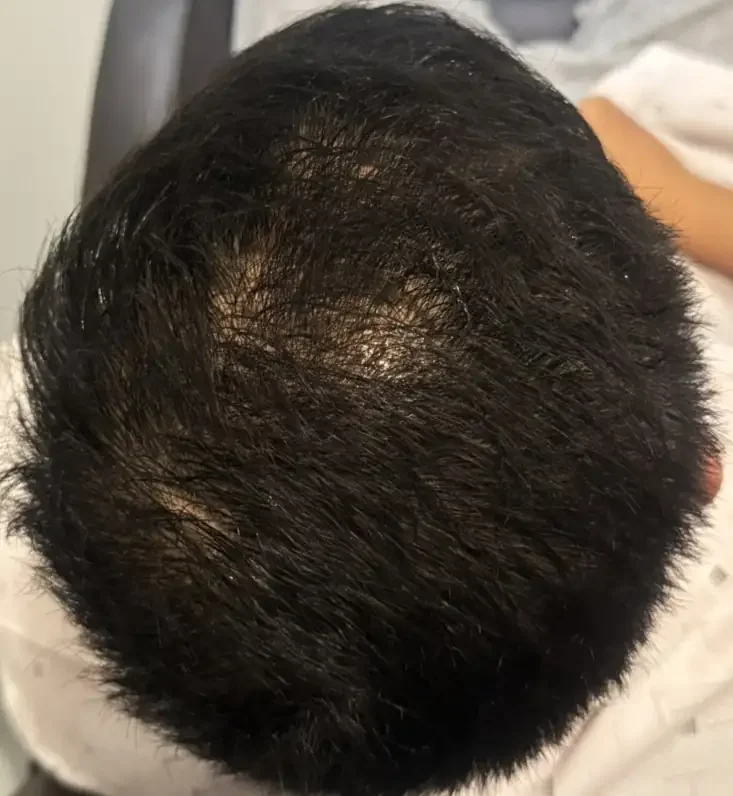
Case Review: Khun MM, Age 32 — Treating Hair Loss and Thinning Hair Without a Hair Transplant
Khun MM, age 32, had ongoing hair loss and thinning hair for more than 4 years, noticing that the hair at the front and the front and middle of the scalp was becoming noticeably thinner, which caused a loss of confidence and worry that the problem would get worse. He therefore decided to consult Dr.…
อ่านเพิ่มเติม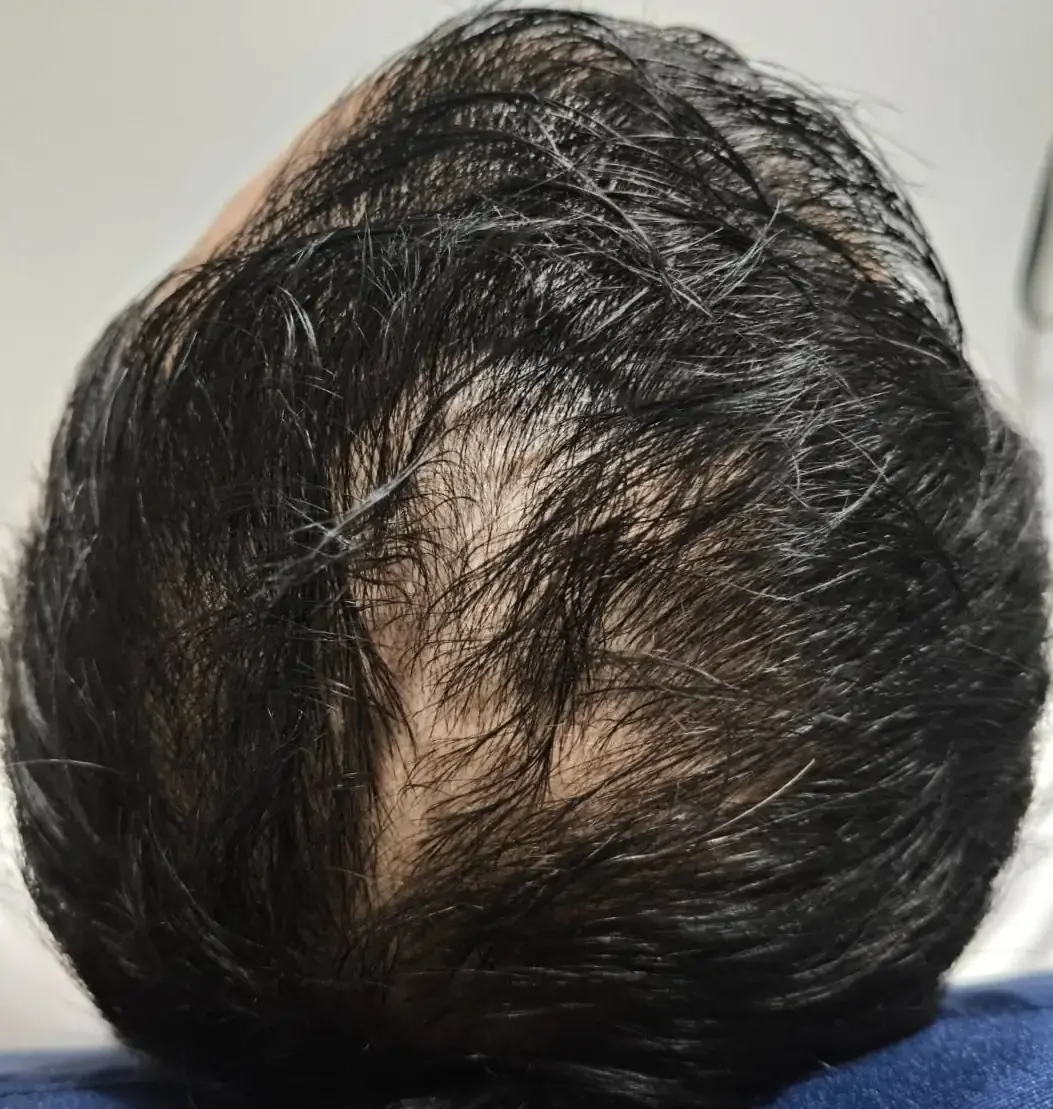
Case Review: Khun LL, Age 33 — Treating Hair Loss and Thinning Hair Without a Hair Transplant
Khun LL, age 33, had ongoing hair loss and thinning hair for more than 4 years, noticing that the hair at the front and the front and middle of the scalp was becoming noticeably thinner, which caused a loss of confidence and worry that the problem would get worse. He therefore decided to consult Dr.…
อ่านเพิ่มเติม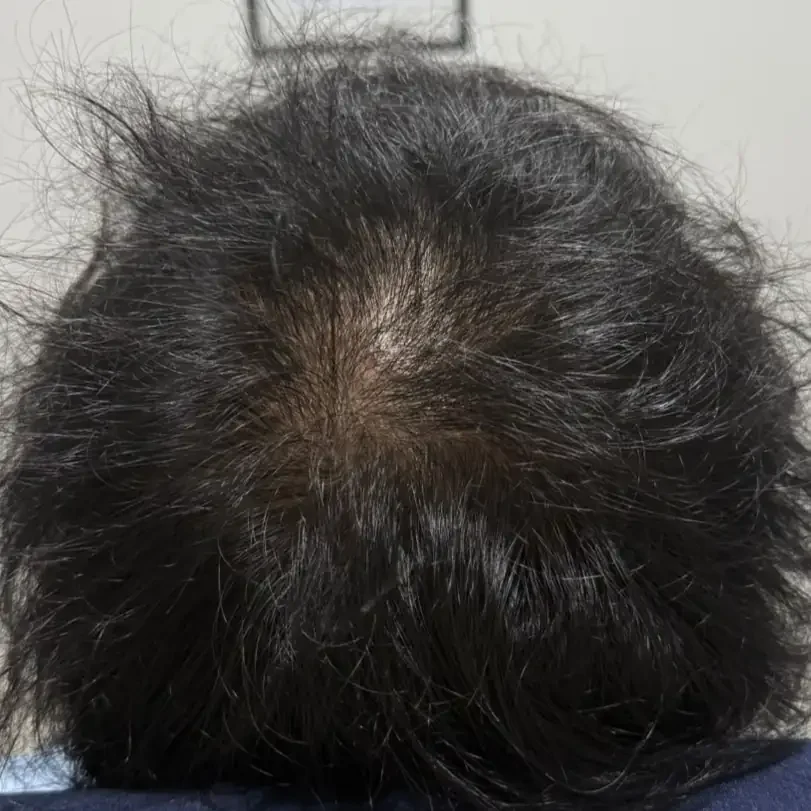
Case Review: Khun KK, Age 27 — Treating Hair Loss and Thinning Hair Without a Hair Transplant
Khun KK, age 27, had ongoing hair loss and thinning hair for more than 2 years, noticing that the hair at the front and the front and middle of the scalp was becoming noticeably thinner, which caused a loss of confidence and worry that the problem would get worse. He therefore decided to consult Dr.…
อ่านเพิ่มเติมAll personal information about the review has been authorized by the person who owns the review case. Reproduction, modification of images outside of the mphairclinic.com website is illegal.
FeMale Customer
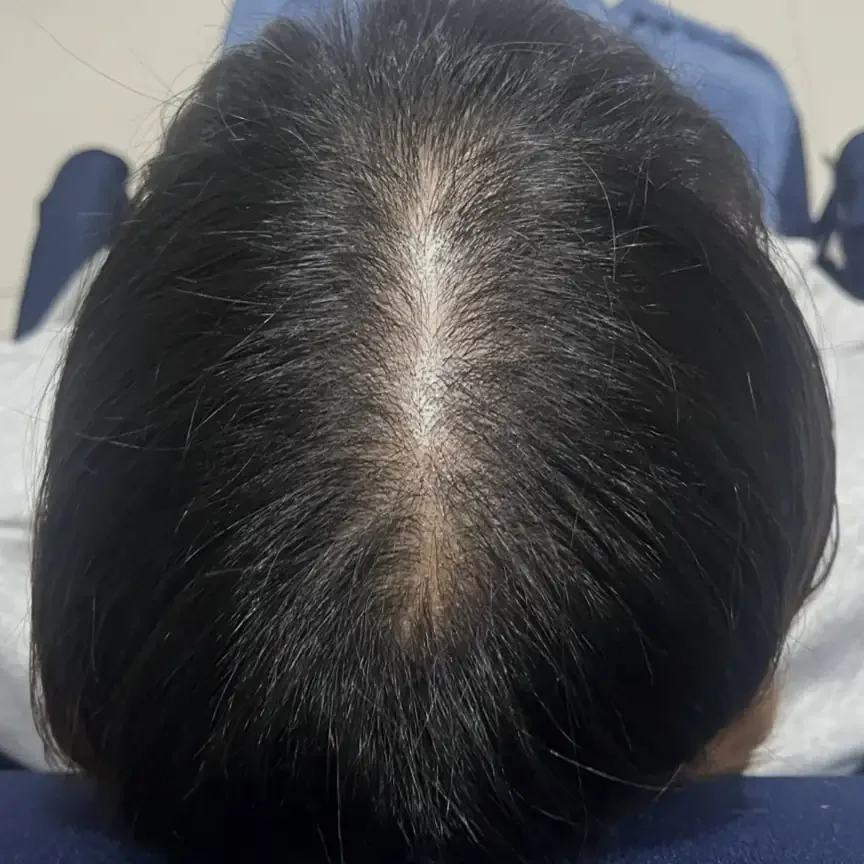
Case Review: Khun LL, Age 38 — Treating Hair Loss and Thinning Hair Without a Hair Transplant
Khun LL, age 38, had ongoing hair loss and thinning hair for more than 2 years, noticing that the hair at the front and the middle of the scalp was becoming noticeably thinner, which caused a loss of confidence and worry that the problem would get worse. She therefore decided to consult Dr. Peera at…
อ่านเพิ่มเติม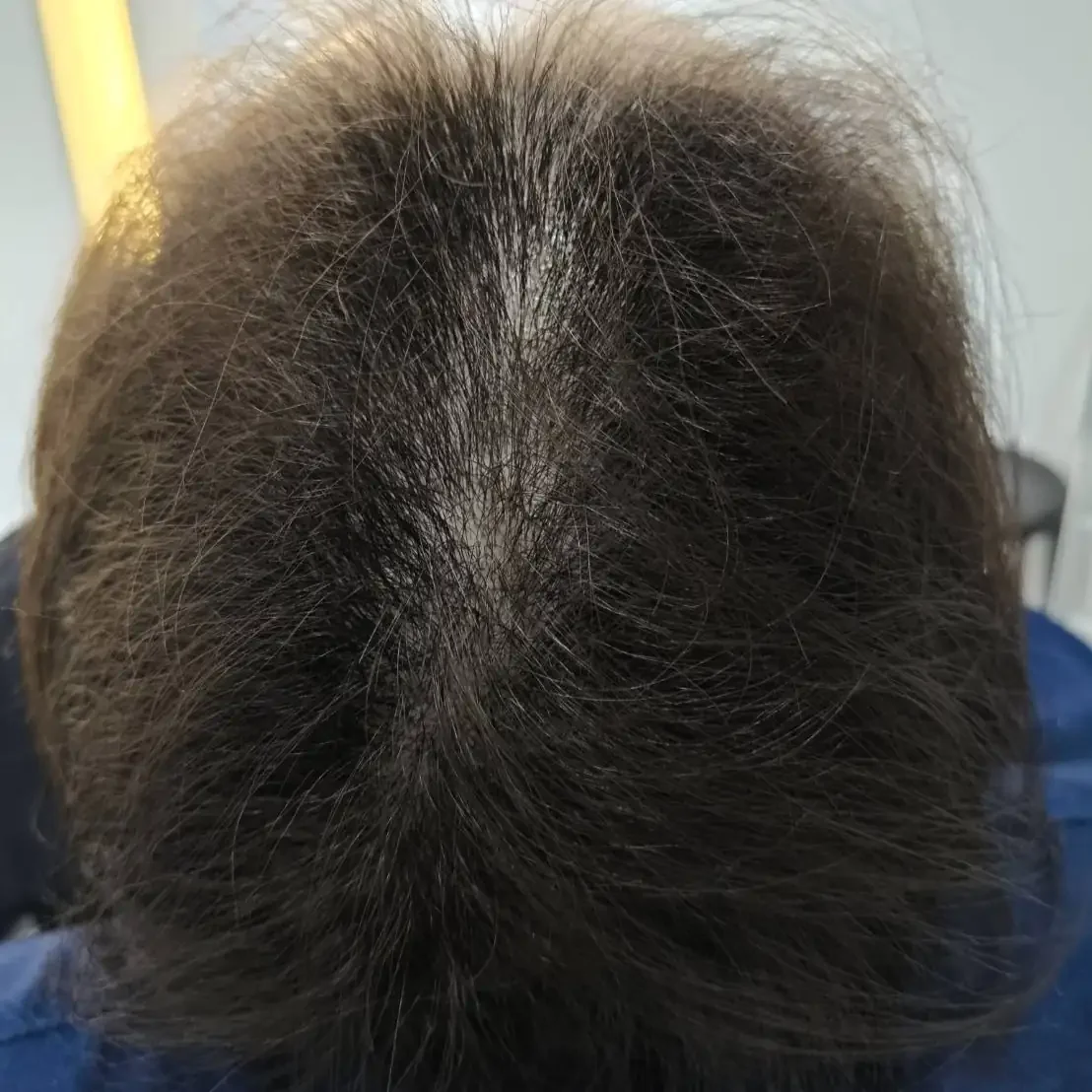
Case Review: Khun KK, Age 26 — Treating Hair Loss and Thinning Hair Without a Hair Transplant
Khun KK, age 26, had ongoing hair loss and thinning hair for more than 4 years, noticing that the hair at the front and the middle of the scalp was becoming noticeably thinner, which caused a loss of confidence and worry that the problem would get worse. She therefore decided to consult Dr. Peera at…
อ่านเพิ่มเติม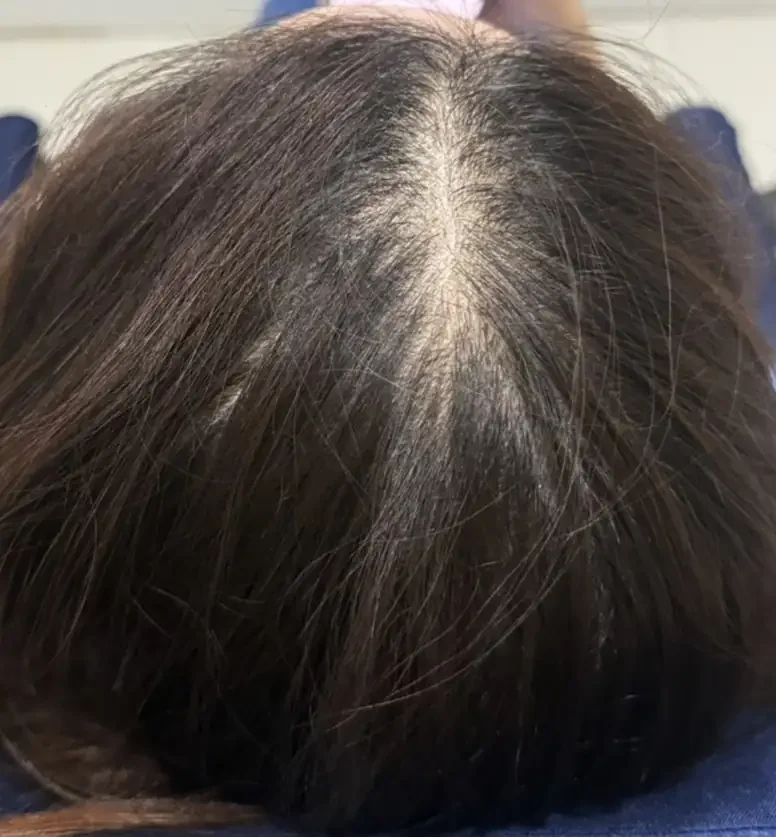
Case Review: Khun JJ, Age 36 — Treating Hair Loss and Thinning Hair Without a Hair Transplant
Khun JJ, age 36, had ongoing hair loss and thinning hair for more than 4 years, noticing that the hair at the front and the middle of the scalp was becoming noticeably thinner, which caused a loss of confidence and worry that the problem would get worse. She therefore decided to consult Dr. Peera at…
อ่านเพิ่มเติมAll personal information about the review has been authorized by the person who owns the review case. Reproduction, modification of images outside of the mphairclinic.com website is illegal.
FAQ
Hair Loss & Thinning Treatment
Q1. What kind of hair loss should be treated?
If you experience ongoing hair loss, thinning hair, a more visible scalp or a changing hairline, the cause should be assessed first in order to choose the right treatment.
Q2. How does DHT affect hair follicles?
DHT can cause hormone-sensitive hair follicles to shrink, resulting in finer hair strands and a shorter growth phase.
Q3. Is a DHT Blocker suitable for everyone with hair loss?
Not necessarily. The use of medication depends on the cause and individual factors. A doctor should assess you before choosing a treatment.
Q4. How is Vitamin D related to hair loss?
Vitamin D plays a role in the hair follicle cycle. If you have a Vitamin D deficiency, the doctor may consider adjusting your levels alongside hair loss care.
Q5. How does Minoxidil help hair grow thicker?
It supports the hair growth phase, giving some hair strands the chance to grow and stay longer. Response varies from person to person.
Q6. How is Red Light Therapy different from injection treatments?
RLT is an external stimulation using light, whereas PRP, XPRP, AMT and ADSI are treatments that deliver substances, tissue or cells into the scalp.
Q7. How is XPRP different from PRP?
XPRP is a platelet preparation approach that aims to achieve a more concentrated composition. The process and concentration depend on the equipment system and platelet separation tubes used.
Q8. Can PRP or XPRP be done in a single session?
PRP/XPRP programs are generally designed as continuous treatment so that hair response can be monitored and evaluated periodically. A single session has limitations that may affect treatment results.
Q9. How is AMT different from PRP?
PRP uses components from the blood, while AMT uses tissue from the client’s own scalp, prepared for treatment.
Q10. What does ADSI use for treatment?
It uses the client’s own fat cells, which go through an extraction process and are transplanted into the scalp to stimulate hair roots and treat the scalp according to the treatment plan.
Q11. What is the difference between AMT and ADSI?
AMT uses tissue from the client’s scalp ADSI uses the client’s fat tissue
Q12. How long does it take to see changes?
Hair has a growth cycle that takes time, so results cannot be evaluated immediately after starting treatment. Changes should generally be monitored continuously over the period recommended by the doctor, and results may vary from person to person.
Q13. If I am losing a lot of hair, should I find the cause first?
Yes, the cause should be assessed, especially if the hair loss is unusually heavy, happens rapidly or comes with other symptoms. Knowing the cause helps in choosing the most suitable care.
Q14. Can hair loss treatment make my hair as thick as before?
Results depend on the cause, the stage of thinning, the condition of the hair roots and each person’s response to treatment. Treatment aims to reduce shedding, care for the hair roots and support hair growth, and should be assessed individually.